
Whether you are overseeing a high-rise development in Sandton, managing an agricultural plot on the West Rand, or running a manufacturing plant in City Deep, plastic sheeting is the silent workhorse of the Gauteng economy.
In 2026, the landscape for plastic sheeting in Johannesburg has evolved. No longer just a “protective cover,” modern sheeting is now a high-tech material engineered for specific industrial, construction, and agricultural performance.
1. Key Applications in Johannesburg’s Industries
Plastic sheeting is essential across the “Big Three” sectors of the Gauteng economy:
-
Construction & Civil Engineering: Johannesburg builders use heavy-duty black sheeting (250 microns and up) for Damp Proof Course (DPC) and foundation membranes. It prevents the Highveld’s seasonal groundwater from rising into structures.
-
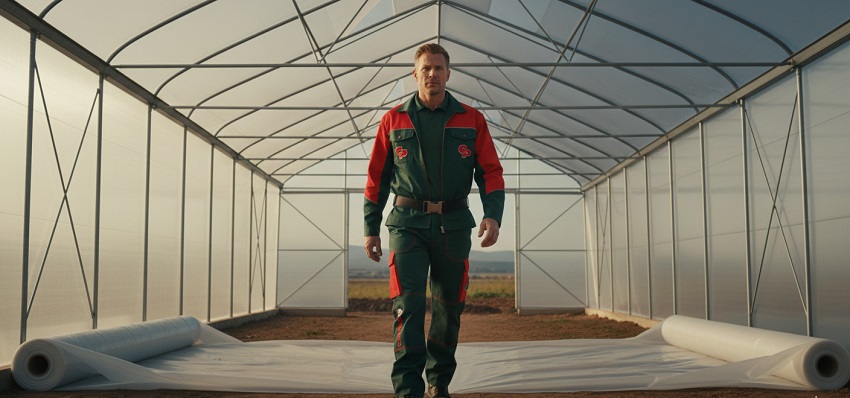
Commercial Agriculture: On the outskirts of Johannesburg and Pretoria, farmers rely on UV-stabilized clear and white sheeting for greenhouses and tunnels. These materials are specifically designed to withstand the harsh South African sun without degrading.
-
Industrial Packaging: Large warehouses in Germiston and Jet Park use plastic sheeting and “pallet wrap” to secure bulk goods for transport across the SADC region.
2. Standard Specifications & Micron Ratings
In South Africa, the quality of plastic sheeting is measured by its “micron” (mic) rating. Choosing the wrong thickness can lead to project failure or legal non-compliance
3. Buying Plastic Sheeting in Johannesburg: Wholesale vs. Retail
For those looking to source plastic sheeting in South Africa, there are two main routes:
-
Direct from Manufacturers: If you are buying in bulk (rolls of 30m or 100m), sourcing directly from Johannesburg-based manufacturers like Consort Plastics provides the best factory-direct pricing.
-
Specialist Retailers: For smaller projects or “DIY packs,” stores like BUCO or Plastics Direct offer pre-cut sizes.
Pro Tip: Always check if the product is SABS Approved. For construction projects, using non-SABS plastic can lead to building inspectors rejecting your foundation work.
4. 2026 Trends: Durability and Customization
The major trend for 2026 is Technical Customization. Johannesburg manufacturers are now producing “Multi-layer Co-extruded” films. This means a single sheet of plastic can have different properties on each side—for example, a white side to reflect heat and a black side to block light for specialized agricultural use.
Furthermore, with the National Waste Management Strategy 2026, there is a massive shift toward high-quality recycled content. Top-tier suppliers now offer industrial sheeting made from 75% to 100% post-consumer recyclate that matches the strength of virgin plastic.
Plastic sheeting is more than just a cover; it’s an investment in the longevity of your project. By understanding the micron requirements and sourcing from reputable Johannesburg suppliers, you ensure your project is built to last.
